Quick Answer: Roots in sewer lines typically occur when tree or plant roots infiltrate through cracks or joints in the pipes, drawn to the moisture within. Over time, these roots block wastewater flow, cause pipe damage, and lead to costly plumbing issues. Early detection through a video inspection and prompt action can prevent extensive damage and ensure efficient drainage by timely repairing collapsed sewer lines.
Understanding Roots in Sewer Lines
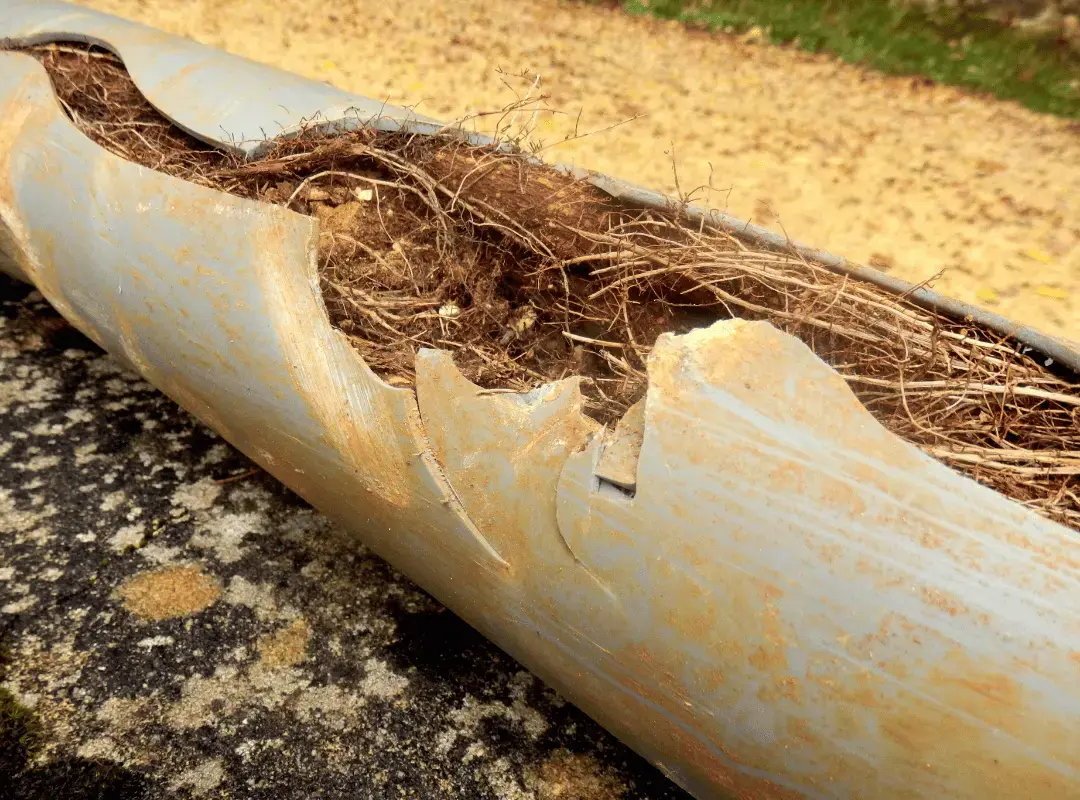
Roots in sewer lines are a common problem faced by many homeowners. As trees and plants grow, their roots naturally seek water, and sewer pipes are often a prime target. Even the smallest crack or separation in a pipe provides an easy entry point for roots. Once inside, the roots obstruct wastewater flow and cause extensive damage to the pipes.
How Do Roots Get Into Sewer Pipes?
Roots infiltrate sewer pipes through cracks, joints, or any weaknesses in the plumbing system. As trees grow, their roots are naturally drawn to water sources. Over time, even a tiny fissure in the pipe allows roots to enter, eventually causing blockages and pipe damage. Here’s how roots typically make their way into sewer pipes:
- Sewer Pipe Cracks: Over time, pipes naturally develop small cracks, providing access for roots.
- Leaky Joints: Loose or separated joints in the pipes offer easy entry points for roots to infiltrate.
- Corrosion: Older pipes, especially those made from cast iron or clay, are more susceptible to corrosion, which weakens them and allows roots to penetrate.
Quick Fix: A Sewer Line Camera Scanning can quickly locate the points where roots are entering your sewer pipes. Early detection allows for more effective solutions before the problem worsens.
Signs of Root Intrusion in Sewer Lines
Early detection of root intrusion can prevent costly repairs. Here are common signs to watch out for:
- Slow Drains: If water drains slowly from multiple fixtures, such as sinks, toilets, or bathtubs, it could indicate roots blocking the pipes.
- Gurgling Noises: Gurgling sounds when flushing the toilet or draining water suggest air pockets in the pipes caused by blockages.
- Sewer Odors: A strong, foul smell around drains is often a sign of sewer line issues, particularly root intrusion.
- Sewage Backup: If sewage backs up into toilets or drains, it’s a clear sign that roots have obstructed the flow, resulting in a full blockage.
- Lush Green Patches in Yard: If you notice unusually lush patches of grass in your yard, it may be due to waste leaking from the sewer line and fertilizing the soil.
Problems Caused by Roots in Sewer Lines
Roots in sewer lines can cause several serious plumbing issues. Some of the most common problems include:
1. Blocked Sewer Lines
Roots can completely block sewer lines by filling pipes with organic matter, resulting in slow drainage or sewage backups.
2. Pipe Damage and Cracking
As roots grow inside the pipes, they can exert pressure, leading to cracks or even complete breaks in the pipes. This results in leaks, more blockages, and expensive repairs.
3. Increased Plumbing Costs
The damage caused by root infiltration leads to increased plumbing costs, including higher water bills, frequent repairs, and potentially expensive sewer line replacement.
4. Lawn Damage
Leaking sewage from damaged pipes nourishes the roots and causes lush grass growth in specific areas of your yard, turning the area into a swampy mess that attracts pests.
How to Prevent Tree Roots from Entering Sewer Lines
While completely preventing roots from entering sewer lines may be impossible, several steps can reduce the risk:
1. Plant Trees Far from Sewer Lines
When planting trees, ensure they are at least 10 to 20 feet away from the plumbing system. This reduces the chances of root intrusion into the sewer line.
2. Install Root Barriers
Installing a physical barrier around your sewer line prevents roots from growing toward the pipes. These barriers are typically made of metal or plastic and can effectively deter root intrusion.
3. Use Tree-Resistant Pipes
Upgrade to more root-resistant materials like PVC or concrete pipes, which are less prone to root infiltration than older materials like clay or cast iron.
4. Regular Sewer Line Inspections
Routine sewer inspection helps detect early signs of root intrusion, so you can address the problem before it becomes more severe.
Solutions for Dealing with Tree Roots in Sewer Lines
Once roots invade your sewer lines, timely action is required to prevent further damage. Several solutions can help restore proper function:
1. Sewer Camera Inspection
This inspection provides a detailed view of the inside of the sewer pipes, helping plumbing experts identify the extent of root infiltration and determine the best course of action for removal.
2. Hydro Jetting
Hydro jetting uses high-pressure water to clear out roots and other debris, restoring water flow in the sewer line. This method is effective for eliminating root blockages.
3. Mechanical Auger (Rooter Machine)
For more severe blockages, a rooter machine can cut through dense root systems and clear the pipes. However, this is a temporary solution unless the root entry point is sealed.
4. Sewer Line Replacement
In some cases, the damage may be so severe that a sewer line replacement is necessary. Depending on the situation, this could involve trenching or trenchless methods.
How to Fix Tree Roots in Sewer Pipes Quickly
When you notice tree roots in your sewer pipes, take action immediately. Here’s a step-by-step guide:
- Call a Professional: Contact a plumbing company to assess the damage and provide expert advice.
- Get a Sewer Camera Inspection: This step helps pinpoint the exact location of the problem.
- Remove the Roots: Methods like hydro jetting or a rooter machine can be used, depending on the severity.
- Repair the Pipe: If necessary, replace the damaged pipe using trenchless technology or traditional methods.
- Schedule Preventive Maintenance: Regular inspections and cleanings prevent future root issues.
Why You Need Sewer Line Experts for Tree Root Problems
Root intrusion in sewer lines is a serious issue that requires expert attention. Sewer line specialists have the necessary tools and knowledge to identify and resolve root problems quickly. Whether it’s drain cleaning services, camera inspections, or complete sewer line repairs, professionals can restore your plumbing system’s function and protect it from future damage.
Protect Your Home from Sewer Line Issues By Contacting Camco Rooter
If you’re experiencing signs of tree roots in your sewer line, don’t wait until the problem worsens. Contact Camco Rooter today at 562-373-4445 for professional sewer line inspection, repair, and cleaning services. Our expert team can handle any root intrusion problems quickly and efficiently.
Common Questions Homeowners Asked!
What causes tree roots to enter sewer lines?
Tree roots enter sewer lines through cracks or joints in the pipes. Roots are naturally drawn to the moisture, nutrients, and oxygen found in sewer lines, making them a prime target.
Can tree roots damage sewer pipes?
Yes, tree roots can cause significant damage to sewer pipes. They can crack or block pipes, leading to slow drains, backups, and even pipe breakage.
How can I prevent tree roots from entering my sewer line?
Plant trees far from the sewer line, install root barriers, and use tree-resistant pipes. Regular inspection and maintenance are also key preventive measures.
How do I know if tree roots are in my sewer line?
Signs of tree roots in sewer lines include slow drainage, gurgling noises, foul odors, and unusual patches of lush grass in your yard.